A property can perfectly match your criteria.

Good size.
Beautiful building.
Coherent price.

And yet…

It may be the one you should absolutely avoid.

Because in real estate,
what appeals immediately is not always what protects you over time.

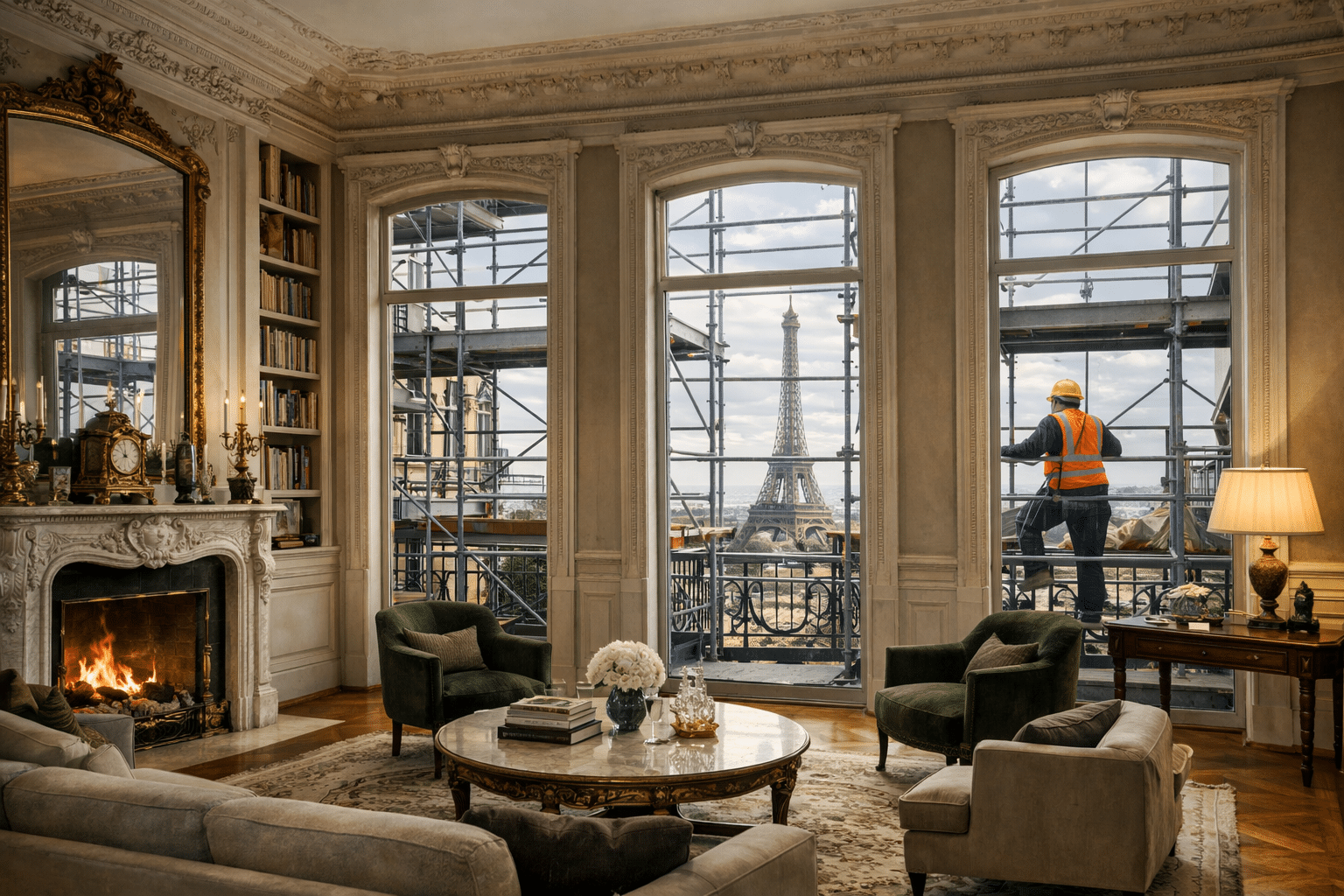
This analysis is based on a real case.
The visuals have been deliberately recreated using AI to preserve the confidentiality of the property, its owners, and the handling agency.

The trap of love at first sight

The instinct is natural: to feel.

A Haussmann-style apartment, with:

  • generous ceiling height
  • ornate moldings
  • fireplaces
  • a true presence

This type of property creates a sense of certainty.

It reassures.
It projects.
It gives the impression that you’ve found it.

But that certainty is often a shortcut.
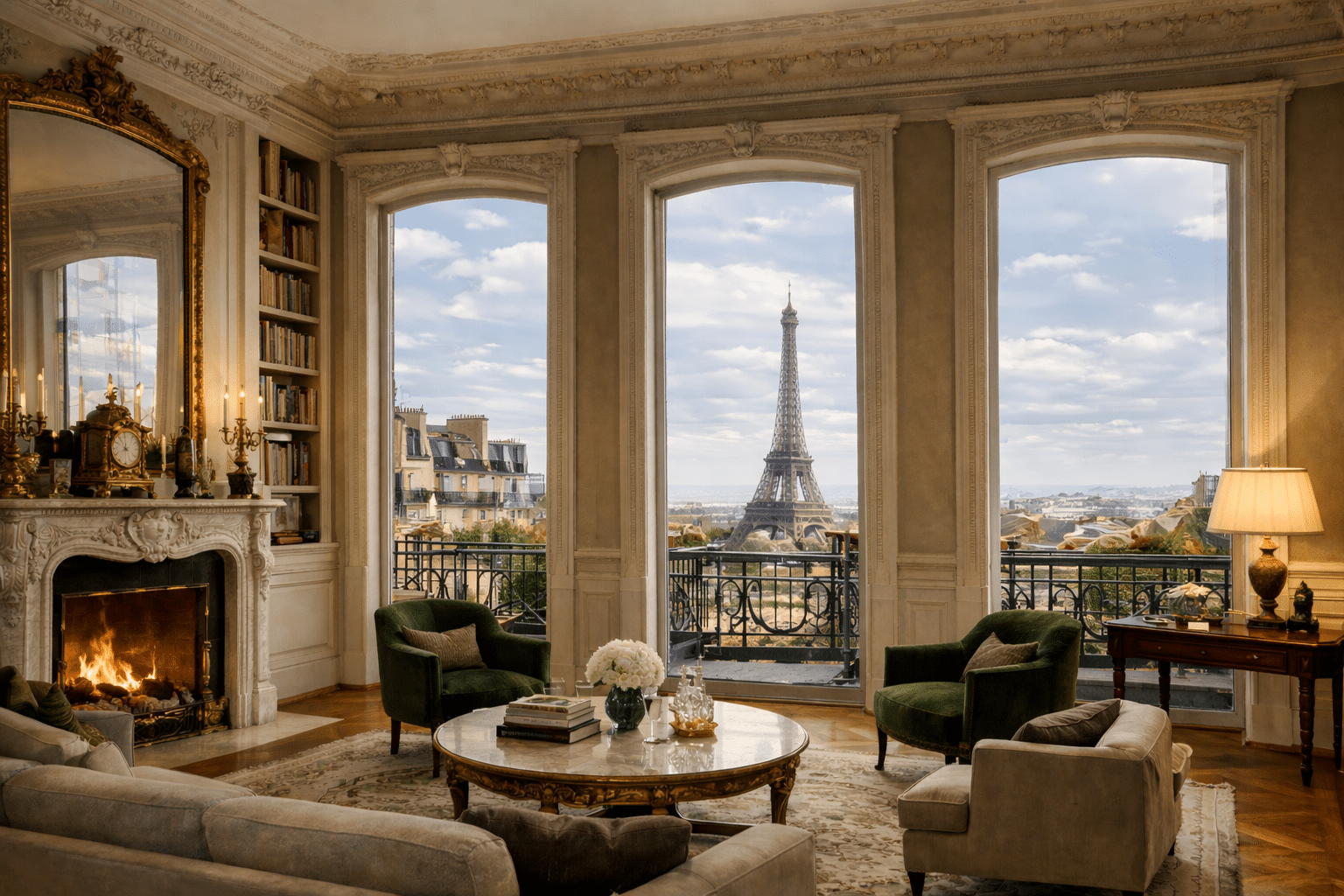
« A property that seduces quickly can conceal what will cost dearly later. »

What makes the difference in a decision

Eye Eye

Immediate perception

The property ticks all the visible boxes.

It matches the image of a “good purchase.”

But this perception is incomplete.

Book-open Book-open

File analysis

Document review reveals a different reality:

  • debts within the co-ownership
  • financial fragility
  • uncertain governance

Invisible elements… yet decisive.

Flow-tree Flow-tree

Property trajectory

Future charges and works begin to appear:

  • unaccounted future costs
  • potential capital calls
  • increasing financial pressure

The real cost exceeds the asking price.

Code Code

Information asymmetry

Everything that attracts is visible.

Everything problematic is not.

This is where the gap between perception and reality is created.

The decision

In this context, the choice was not to present the property.

Not because it was bad.

But because it was too attractive to be analyzed objectively after the visit.

Flashlight Flashlight

Finikia Insight

A real estate decision is not made on feeling.

• Not on aesthetics
• Not on a first impression
• Not on a “love at first sight”

It is built on:

• understanding the asset
• identifying its risks
• assessing its consistency over time

A property should not simply appeal.
It must hold.

What the market doesn’t show

Love at first sightReality

The market values what is visible:
character, renovation, presentation.

But it rarely reveals what truly commits the buyer.

Behind a seductive property, there can be a fragile co-ownership:
unpaid charges, weak cash reserves, accumulated debts, approved but unfunded works, unstable governance.

These elements are invisible during a visit.
They don’t appear in photos.
They are almost never disclosed upfront.

And yet… they determine:

• the true cost of the asset
• its stability over time
• its ability to be resold confidently

A property can be flawless in appearance,
yet depend on a weakened collective structure.

In that case, the risk does not come from the asset itself —
but from everything around it.

This asymmetry of information creates a gap:
a high perceived value,
for an uncertain real value.

What you’re buying goes beyond the apartment itself. You’re also committing to the health of the co-ownership.

Projection

Let’s take two properties.

Same budget.
Same size.
Same location.

One immediately appeals,
but carries invisible risks.

The other feels more neutral,
but stands on a solid foundation.

In the short term, the first reassures.
In the medium term, the second protects.

The difference is not visible on the day of the visit.
It reveals itself over time.

Conclusion

A good property is not the one that creates a sense of excitement.
It is the one that withstands analysis.

Because in real estate,
true value is not decided during the visit…

But in everything that follows.